
Who Is Like the Lord? No one!
Exodus 15:11–21 (NASB95)
11“Who is like You among the gods, O LORD? Who is like You, majestic in holiness, Awesome in praises, working wonders? 12“You stretched out Your right hand, The earth swallowed them. 13“In Your lovingkindness You have led the people whom You have redeemed; In Your strength You have guided them to Your holy habitation. 14“The peoples have heard, they tremble; Anguish has gripped the inhabitants of Philistia. 15“Then the chiefs of Edom were dismayed; The leaders of Moab, trembling grips them; All the inhabitants of Canaan have melted away. 16“Terror and dread fall upon them; By the greatness of Your arm they are motionless as stone; Until Your people pass over, O LORD, Until the people pass over whom You have purchased. 17“You will bring them and plant them in the mountain of Your inheritance, The place, O LORD, which You have made for Your dwelling, The sanctuary, O Lord, which Your hands have established. 18“The LORD shall reign forever and ever.” 19For the horses of Pharaoh with his chariots and his horsemen went into the sea, and the LORD brought back the waters of the sea on them, but the sons of Israel walked on dry land through the midst of the sea. 20Miriam the prophetess, Aaron’s sister, took the timbrel in her hand, and all the women went out after her with timbrels and with dancing. 21Miriam answered them, “Sing to the LORD, for He is highly exalted; The horse and his rider He has hurled into the sea.”
Commentary - Who Is Like the Lord? No one!
The Israelites stood on the far shore of the Red Sea, having witnessed the Lord’s mighty deliverance. Their song, recorded in Exodus 15:11-21, is a declaration of God’s uniqueness, a celebration of His power, and a testimony to the roles He assigns within His people.
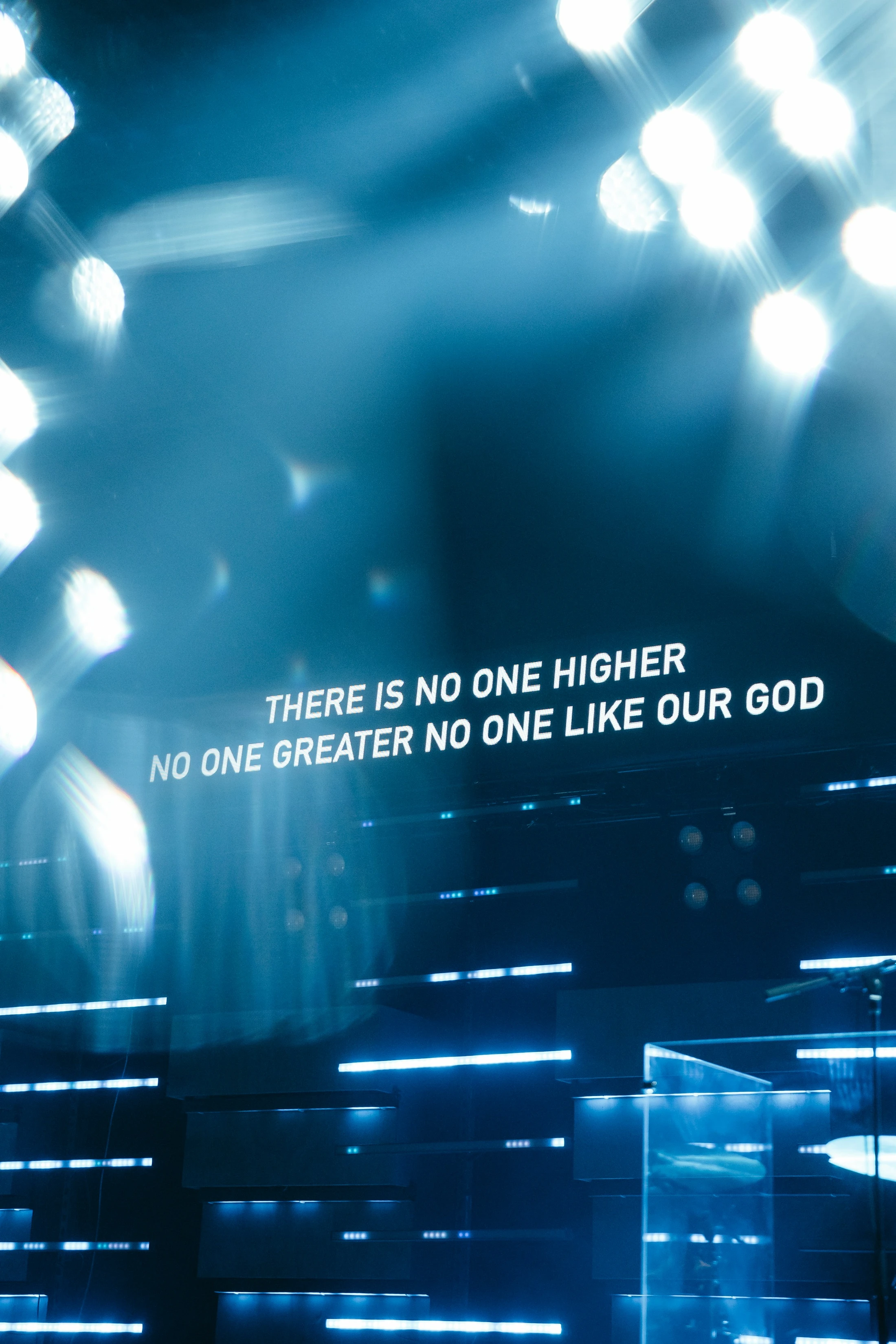
Verse 11 asks, “Who is like You among the gods, O Lord? Who is like You, majestic in holiness, awesome in praises, working wonders?” The Bible does not pretend that people do not worship other gods. It recognizes that the nations have their own objects of devotion. Yet, the point is clear: none of these so-called gods can compare to the One True God. The gods of Egypt and the nations are counterfeits, powerless to save or deliver. Only the Lord is truly holy, set apart, and worthy of worship. He is not one among many. He stands alone, unmatched in power and majesty. The plagues and the crossing of the sea proved that the Lord is not just Israel’s God, but the only God who acts in history and keeps His promises. This truth echoes throughout the Bible and finds its fulfillment in Christ, who is the image of the invisible God and the only Savior.
The song continues, describing how the Lord’s right hand brought victory, how He led His redeemed people in lovingkindness, and how the nations trembled at the news of His deeds. The promise is that God will bring His people to His holy dwelling, and that He will reign forever and ever. These words look forward to the time when God’s people would settle in the Promised Land, but they also point beyond, to the eternal reign of Christ. In Revelation 15:3, the redeemed sing the “song of Moses” and the “song of the Lamb,” joining the story of Exodus to the story of Jesus. Christ is the ultimate deliverer, the One who conquers sin and death and leads His people into everlasting life.
Verse 20 introduces Miriam, the sister of Moses and Aaron, as a prophetess. This is the first time the Bible uses this title for a woman, and it is one of the highest honors in the Hebrew Scriptures. A prophet or prophetess is a spokesperson for God, chosen and appointed by Him. Miriam’s role was not limited to private devotion. She led the women of Israel in worship, with timbrels and dancing, celebrating the Lord’s victory. While Miriam is the only woman called a prophetess in the Torah, other women are given this office in later books. Deborah judged and prophesied in Israel. Huldah spoke God’s word to King Josiah. Noadiah is mentioned in Nehemiah. Isaiah’s wife is called a prophetess, and Rebekah received direct revelation from God. These examples remind us that God calls both men and women to serve Him and to lead His people. Miriam’s leadership at the Red Sea is a model of faithful service and joyful worship. The church should remember and honor such examples when considering the roles of women in ministry today.
The Song of the Sea is more than ancient poetry. It is a declaration that God alone is worthy of worship, that He calls and equips His people for service, and that His deliverance points us to Christ. The Lord’s reign is eternal, and His people are called to celebrate His victories together.
For our church today, these verses call us to worship God alone, to recognize and encourage the gifts He gives to all His people, and to celebrate His saving work in Christ. Let us be a congregation that honors the Lord’s uniqueness, values the leadership of all whom He calls, and sings the song of redemption with joy. May we trust in the God who delivers, who reigns forever, and who invites us all into His presence.
Blessings,
Ryan Goodnight