
When God Speaks
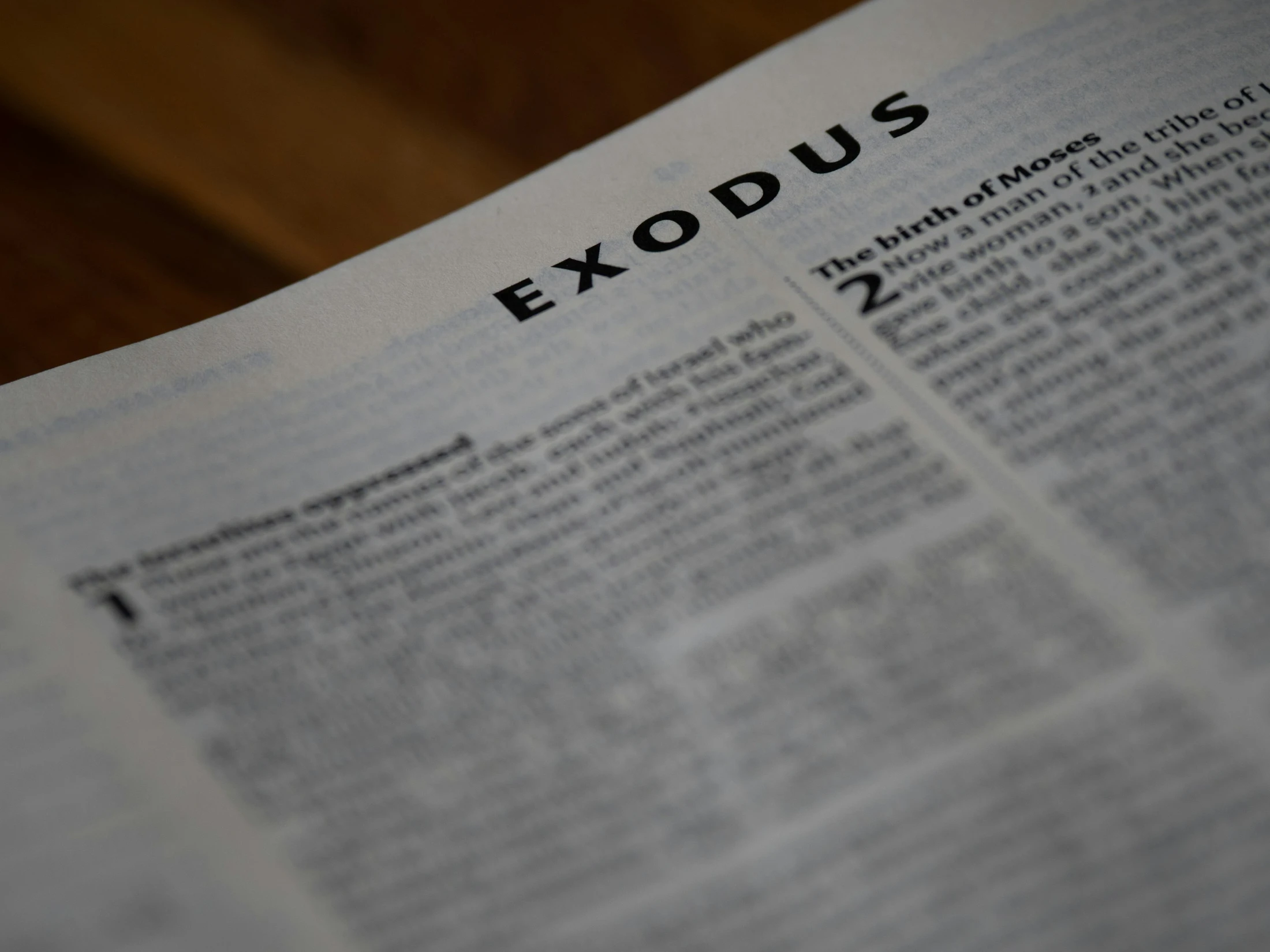
Exodus 5:1–3 (NASB95)
1And afterward Moses and Aaron came and said to Pharaoh, “Thus says the LORD, the God of Israel, ‘Let My people go that they may celebrate a feast to Me in the wilderness.’ ” 2But Pharaoh said, “Who is the LORD that I should obey His voice to let Israel go? I do not know the LORD, and besides, I will not let Israel go.” 3Then they said, “The God of the Hebrews has met with us. Please, let us go a three days’ journey into the wilderness that we may sacrifice to the LORD our God, otherwise He will fall upon us with pestilence or with the sword.”
Commentary - When God Speaks
Moses and Aaron entered Pharaoh’s court with a message from the Lord, but their approach did not match the instructions God had given. God had told Moses to ask Pharaoh for a three-day journey into the wilderness to worship, using careful and diplomatic language. Instead, Moses opened with a bold and direct demand: “Let My people go, that they may hold a feast to Me in the wilderness.” This was more forceful than what God had instructed. Moses did invoke the name of the Lord, but he did not use the specific words or the humble posture God had provided. His approach reflected a human tendency to adjust God’s commands, perhaps out of fear, uncertainty, or a desire to make a strong impression.
Pharaoh’s response was immediate and arrogant. He dismissed the Lord entirely, saying, “Who is the Lord, that I should obey His voice and let Israel go? I do not know the Lord, and moreover, I will not let Israel go.” Pharaoh’s words were not a request for information but a declaration of defiance. He refused to recognize any authority above his own. This proud rejection forced Moses to reconsider his approach. In verse three, Moses shifted his tone and began to speak exactly as God had instructed. He asked for a three-day journey, spoke of sacrifice, and warned of the consequences of disobedience. Moses returned to the words God had given him, aligning himself with God’s will after his initial misstep.
The contrast between Moses and Pharaoh is striking. Moses, though hesitant and imperfect, was willing to correct his course and submit to God’s direction. He listened, adjusted, and ultimately obeyed. Pharaoh, on the other hand, responded with outright defiance. He refused to acknowledge God’s authority and hardened his heart against the message. Moses’ journey was marked by growth in obedience, while Pharaoh’s was marked by pride and resistance.
God still calls His people to speak and act according to His Word, not according to our own instincts or preferences. We may sometimes hesitate or try to adjust God’s instructions, but true faith means returning to what He has said and trusting His wisdom. The world often responds to God’s authority with skepticism or outright rejection, but we are called to humility and obedience. Let us be people who listen, who are willing to correct our course, and who trust that God’s way is always best. When we align ourselves with His will, He will accomplish His purposes through us.
Blessings,
Ryan Goodnight