
The Weight of a Stubborn Heart
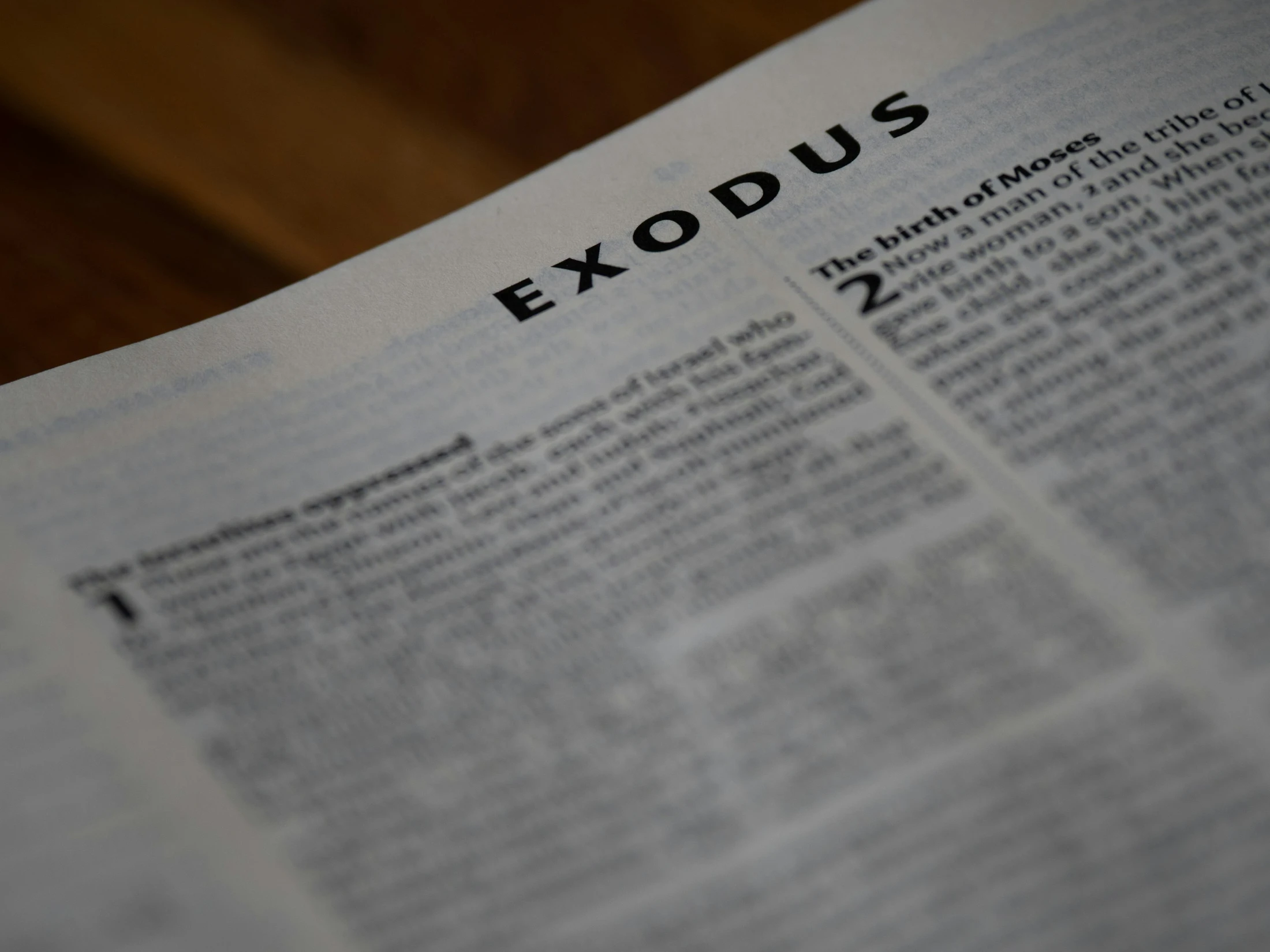
Exodus 8:29–32 (NASB95)
29Then Moses said, “Behold, I am going out from you, and I shall make supplication to the LORD that the swarms of flies may depart from Pharaoh, from his servants, and from his people tomorrow; only do not let Pharaoh deal deceitfully again in not letting the people go to sacrifice to the LORD.” 30So Moses went out from Pharaoh and made supplication to the LORD. 31The LORD did as Moses asked, and removed the swarms of flies from Pharaoh, from his servants and from his people; not one remained. 32But Pharaoh hardened his heart this time also, and he did not let the people go.
Commentary - The Weight of a Stubborn Heart
Moses had just interceded for Egypt. Pharaoh had come to him, desperate for relief from the swarms of flies that had invaded every corner of the land. He had made a concession, offering to let the Israelites sacrifice within Egypt rather than in the wilderness. Moses pushed back. He explained that what the Israelites needed to do would be offensive to the Egyptians, and that they needed to go three days into the wilderness to worship as God had commanded. Pharaoh agreed, with one condition: they could not go far. Moses accepted the terms and promised to pray. He warned Pharaoh not to deal deceitfully again by refusing to let the people go. Then Moses went out from Pharaoh and cried out to the Lord.
God answered. The swarms of flies were removed. Not one remained. The land was clean again. Egypt had been given exactly what it asked for, and the relief was complete.
Then Pharaoh hardened his heart this time also, and he did not let the people go. The NASB95 uses the word "hardened," but the Hebrew behind that word is kavad, which means to be heavy or to make heavy. Everett Fox, in his translation of the Torah, renders it as Pharaoh "made his heart heavy."
That translation matters. It is not passive. It is not something that simply happened to Pharaoh. He made a choice. He picked up the weight of his own pride and placed it back on his heart the moment the pressure was gone. Fox's rendering captures what the Hebrew is actually saying: Pharaoh was not a victim of some external force. He was a man who, when given every reason to change, chose not to.
This is the fourth time in the plague narrative that Pharaoh's heart has been described this way, and the pattern is becoming impossible to miss. God removes the plague. Pharaoh gets relief. Pharaoh goes back on his word. The cycle is not random. It is a portrait of a man who responds to God only when he has no other option, and then retreats the moment the crisis passes. He was not incapable of repentance. He was unwilling. The Wesleyan tradition has always insisted that God does not override human will. He does not force anyone into rebellion. Pharaoh had every opportunity to respond differently. He had seen the plagues. He had heard his own magicians say "this is the finger of God." He had experienced the relief that came when Moses prayed. He had all the evidence he needed. He chose to make his heart heavy anyway.
There is also something worth noticing about Moses in these verses. When Pharaoh asked for relief, Moses did not hesitate to pray. He went out and cried out to the Lord on behalf of the very man who was oppressing his people. That is not a small thing. Moses was not praying for a friend or an ally. He was interceding for an enemy. And God answered that prayer. God removed every fly. This tells us something about the character of Yahweh. He is not reluctant to show mercy, even to those who are resisting Him. He answered Moses' prayer completely and immediately. The door to repentance was wide open. Pharaoh simply refused to walk through it.
For us today, Pharaoh's pattern is worth examining honestly. It is easy to turn to God when the pressure is on, when the flies are everywhere and there is nowhere else to turn. The harder thing is to stay turned toward Him when the relief comes. I have watched people make sincere promises to God in the middle of a crisis, and then quietly drift back to their old patterns once the situation improved. That is not a character flaw unique to a few people. It is a deeply human tendency. The story of Pharaoh is a warning about what happens when we treat God as a problem-solver rather than as Lord. When we only engage with Him in desperation, we are doing exactly what Pharaoh did. We are making our hearts heavy. We are choosing the weight of our own preferences over the freedom that comes with genuine surrender. The good news is that God's mercy does not expire between crises. He is just as available when things are calm as He is when the flies are piling up. The question is whether we will choose to keep our hearts open to Him, not just when we need something, but in every season.
Blessings,
Ryan Goodnight