
The Sun Goes Dark
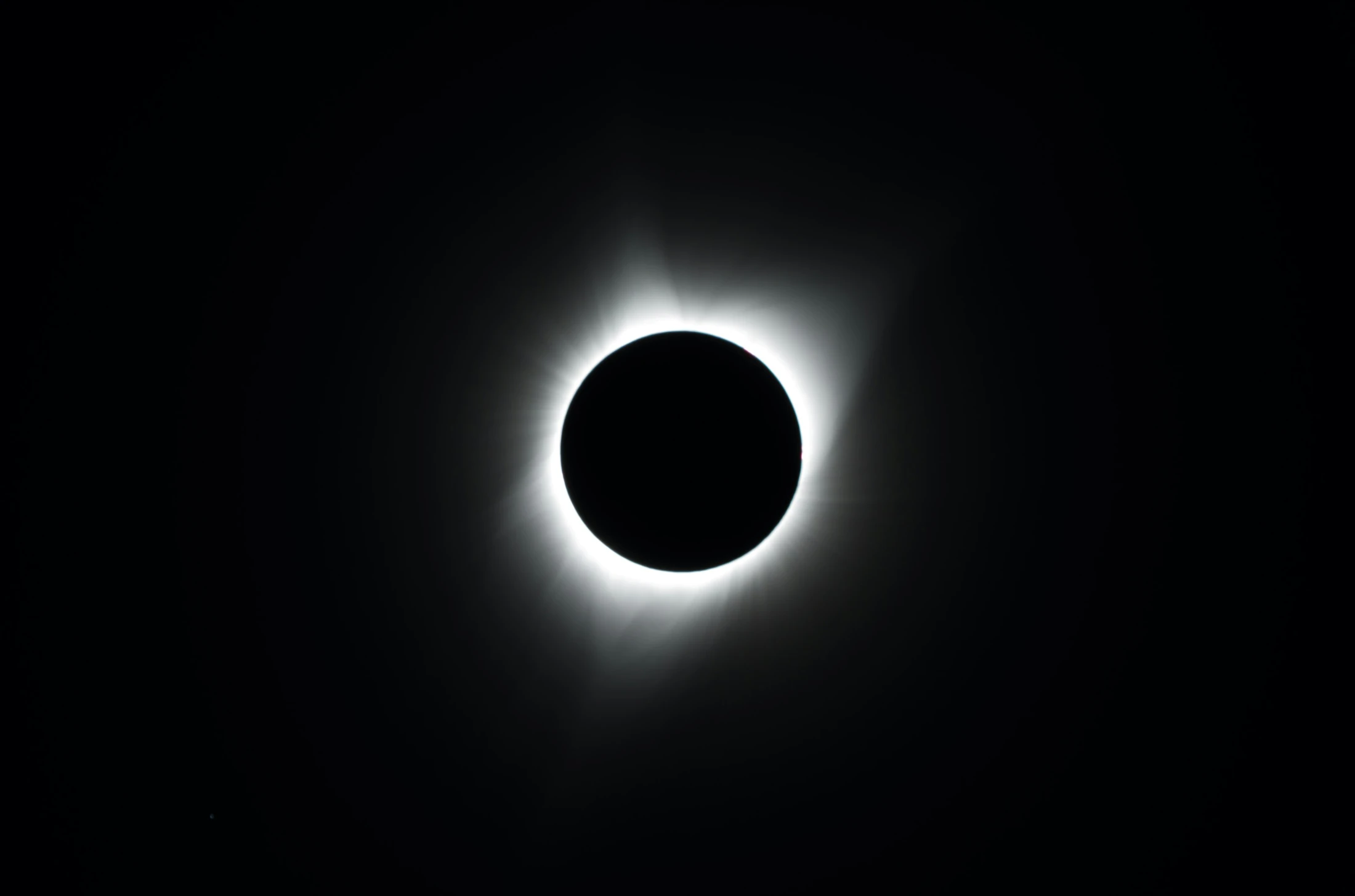
Exodus 10:21–23 (NASB95)
21Then the LORD said to Moses, “Stretch out your hand toward the sky, that there may be darkness over the land of Egypt, even a darkness which may be felt.” 22So Moses stretched out his hand toward the sky, and there was thick darkness in all the land of Egypt for three days. 23They did not see one another, nor did anyone rise from his place for three days, but all the sons of Israel had light in their dwellings.
Commentary - The Sun Goes Dark
Egypt had always trusted the sun. Ra, the sun god, stood at the very center of their religion and daily life. Every morning, Egyptians believed Ra sailed across the sky, bringing light, order, and life to the world. Pharaoh himself claimed to be the son of Ra, the living link between the gods and the people. When God told Moses to stretch out his hand toward the sky, and a darkness fell over Egypt for three days, it was not just a loss of daylight. It was a direct challenge to Ra’s power and a public humiliation of Egypt’s greatest god. The darkness was so thick the Egyptians could feel it. The Hebrew phrase in the NASB95, “a darkness which may be felt,” describes a tangible, oppressive force. People could not see one another or even leave their homes. The world as they knew it stopped. The order they trusted was gone.
This darkness was not a natural event. It was not a sandstorm or an eclipse. The text makes it clear that this was a supernatural act of judgment. The Egyptians were immobilized, but in Goshen, where the Israelites lived, there was light in every home. God drew a sharp line between His people and the rest of Egypt. This distinction had appeared in earlier plagues, but here it became unmistakable. The Israelites did not just survive the darkness. They lived in the light while the rest of the nation was trapped in fear and confusion. God’s ability to make this separation was a sign of His covenant faithfulness. He kept His promises to Israel and showed the world that He alone controls light and darkness. The difference was not about merit. It was about belonging to the God who keeps His word.
The darkness also carried a deep theological message. In the ancient world, darkness meant chaos, danger, and death. It was the enemy of safety and goodness. For three days, Egypt experienced what it meant to be cut off from the source of life. The Egyptians would have seen this as a sign that their gods had failed them. Ra was powerless. Pharaoh was exposed as just another man. The Israelites, on the other hand, experienced God’s protection and presence in a way that could not be ignored. The light in Goshen was a testimony to God’s sovereignty and a preview of the deliverance to come.
Pharaoh’s response is a warning. Even after witnessing the defeat of his greatest god, he refused to humble himself. The evidence was overwhelming, but his heart remained hard. The darkness outside matched the darkness inside. God’s signs were not just about punishing Egypt. They were about revealing the truth and calling people to respond. Pharaoh’s refusal to change shows the danger of resisting God, even when His power is clear.
For the church today, the story of the ninth plague is a reminder that God alone is the source of true light. We live in a world that often trusts in its own sources of security and meaning, but those things can be taken away in a moment. When darkness falls whether it is confusion, fear, or loss God’s people are called to live in the light of His presence. The distinction God made in Egypt is still relevant. The world should be able to see a difference in how believers respond to crisis, uncertainty, and hardship. That difference is not about being better than others. It is about belonging to the One who brings light into every darkness. When others see that light, some will be drawn to know God and give Him glory.
In His Service,
Ryan Goodnight