
The Storm Stops at the Border
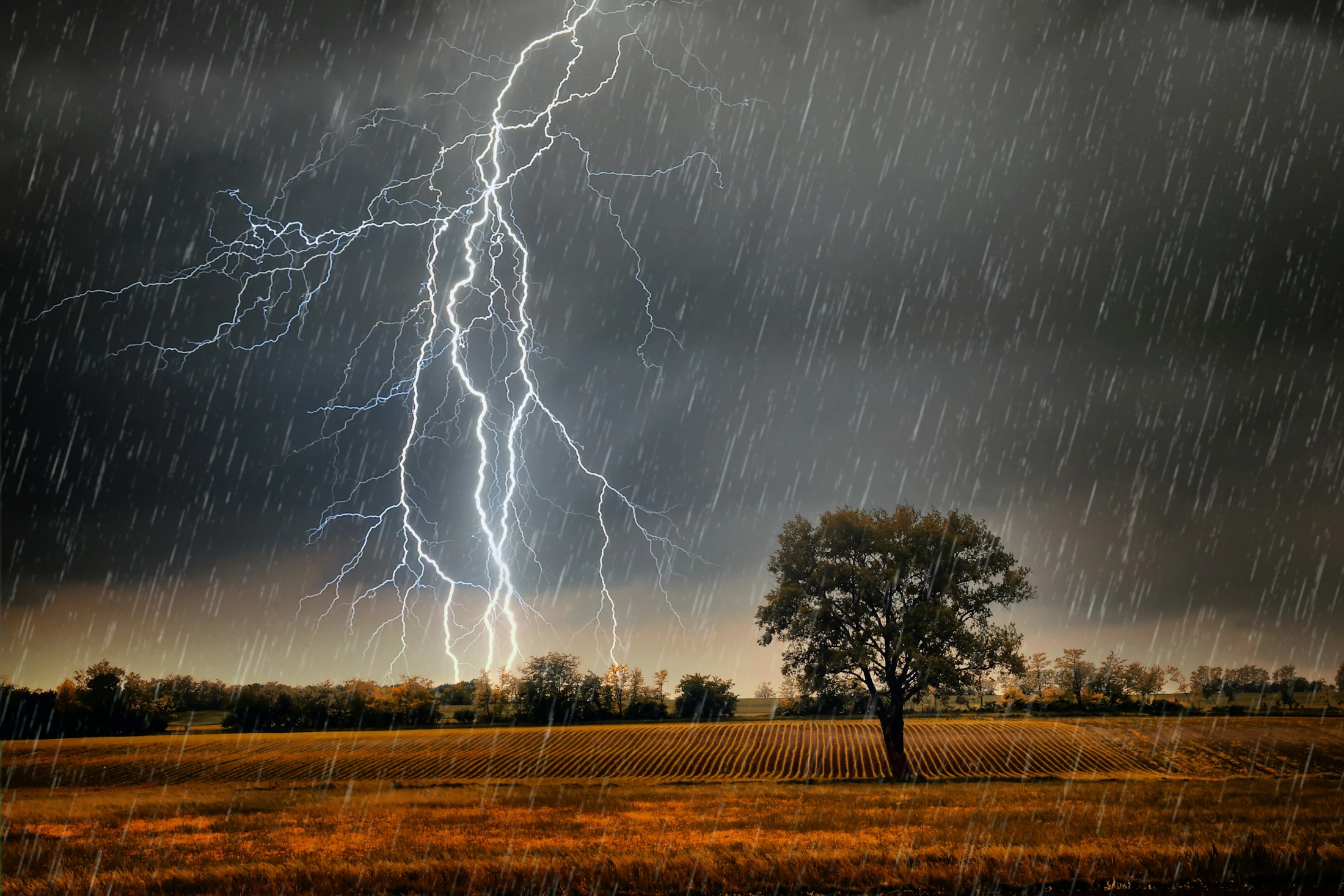
Exodus 9:22–26 (NASB95)
22Now the LORD said to Moses, “Stretch out your hand toward the sky, that hail may fall on all the land of Egypt, on man and on beast and on every plant of the field, throughout the land of Egypt.” 23Moses stretched out his staff toward the sky, and the LORD sent thunder and hail, and fire ran down to the earth. And the LORD rained hail on the land of Egypt. 24So there was hail, and fire flashing continually in the midst of the hail, very severe, such as had not been in all the land of Egypt since it became a nation. 25The hail struck all that was in the field through all the land of Egypt, both man and beast; the hail also struck every plant of the field and shattered every tree of the field. 26Only in the land of Goshen, where the sons of Israel were, there was no hail.
Commentary - The Storm Stops at the Border
The seventh plague brought a storm Egypt had never seen. But the most striking detail is in verse 26: “Only in the land of Goshen, where the sons of Israel were, there was no hail.” This is not the first time God has drawn a line between Egypt and His people, but here the separation is unmistakable. The storm raged everywhere except Goshen. The Israelites watched the sky darken and the hail fall, but not a single stone landed in their fields. God’s people were protected, not because they were better, but because they belonged to Him. This division is a recurring theme in the Exodus story. God keeps making it clear that His people are to be distinct, set apart, and marked by His presence. The separation is not just for their safety. It is a sign to Egypt and to the world. When others see the difference, some will come to know God and give Him glory. The visible distinction is meant to provoke questions, to invite reflection, and to point people to the One who controls the storm.
For the modern church, this story is a call to embrace the distinction God gives. The world is full of storms: cultural, moral, and spiritual. God does not always remove His people from trouble, but He does call them to live differently in the midst of it. The separation is not about isolation or superiority. It is about living in such a way that others notice the difference and are drawn to the God who makes it possible. When the storms come, the church’s peace, hope, and faithfulness become a testimony. People notice when the hail stops at the border. They see when God’s people respond to crisis with trust and compassion. That visible difference is not just for our comfort. It is for God’s glory.
Can your peers see the obvious difference in you compared to the rest of the world?
Blessings,
Ryan Goodnight