
The Road Gets Harder
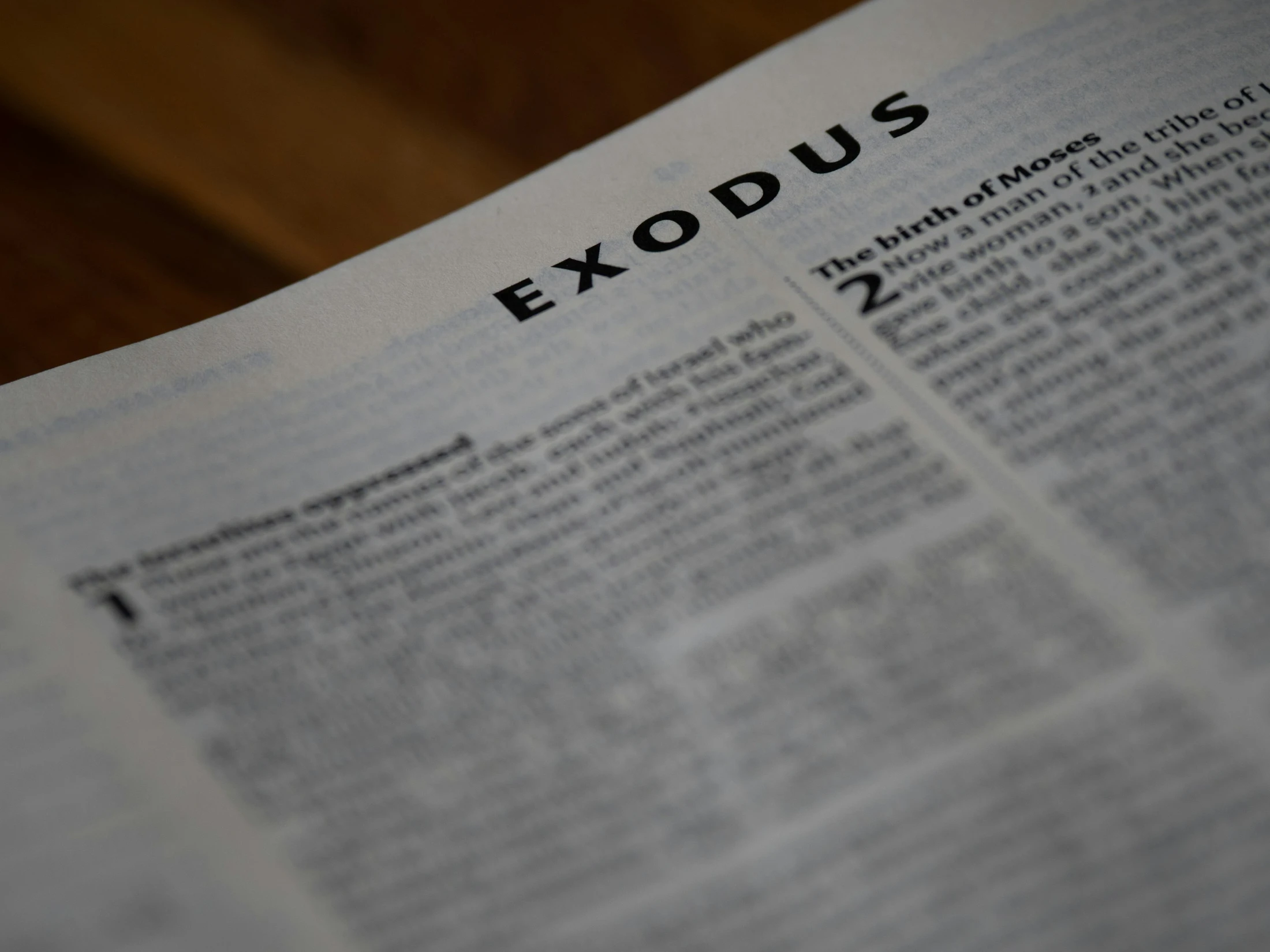
Exodus 5:19–21 (NASB95)
19The foremen of the sons of Israel saw that they were in trouble because they were told, “You must not reduce your daily amount of bricks.” 20When they left Pharaoh’s presence, they met Moses and Aaron as they were waiting for them. 21They said to them, “May the LORD look upon you and judge you, for you have made us odious in Pharaoh’s sight and in the sight of his servants, to put a sword in their hand to kill us.”
Commentary – The Road Gets Harder
Exodus 5:19-21 brings us to a moment of deep struggle for the Israelite foremen. After Pharaoh refused to ease their burden, the foremen realized they were in serious trouble. They stood between the harsh demands of the Egyptian slave drivers above and the frustration of their own people below. The Egyptians could not punish the entire nation, but they could punish the foremen. These men bore the brunt of Pharaoh’s anger and the disappointment of their fellow Israelites. When they left Pharaoh’s court, they found Moses and Aaron waiting for them. Instead of hope, they brought anger. They accused Moses and Aaron of making their situation worse, saying that they had put a sword in Pharaoh’s hand to destroy them.
Pharaoh’s strategy worked perfectly. He broke the will to resist and discredited the leadership. By increasing the suffering of the people, he turned their anger away from Egypt and toward Moses and Aaron. The foremen’s reaction was not surprising. They had hoped for relief and deliverance, but instead, their pain increased. They could not see what God was doing behind the scenes. They only saw that obedience to God’s call had made things harder, not easier. The cost of leadership became painfully clear. Moses and Aaron had done what God commanded, but now they stood accused by the very people they came to help.
This moment reveals a hard truth. Sometimes, when we follow God’s direction, things get worse before they get better. Faithfulness does not always bring immediate comfort. It can bring new challenges and even criticism from those we want to help. The temptation to turn on God’s messengers is real when hope seems to fade and suffering grows. The enemy’s strategy is often to divide and demoralize, to make us doubt God’s plan and turn against each other. Pharaoh did not need to destroy the Israelites by force alone. He let discouragement and division do the work.
For the church today, these verses offer a clear lesson. Leaders often stand in difficult places, caught between the needs of the people and the pressures of the world. When we face hardship after choosing to follow God, we must resist the urge to blame each other or lose heart. God’s plan is not measured by the comfort of one moment. He sees the whole story and never abandons His people in the middle of it. Let us support our leaders, remain patient with one another, and trust that God is working even when the road gets harder before it gets better. Above all else, do not let outside influences break our unity. Being one with our Lord and one with each other is what gives us strength.
In His Service,
Ryan Goodnight