
The Locust Plague
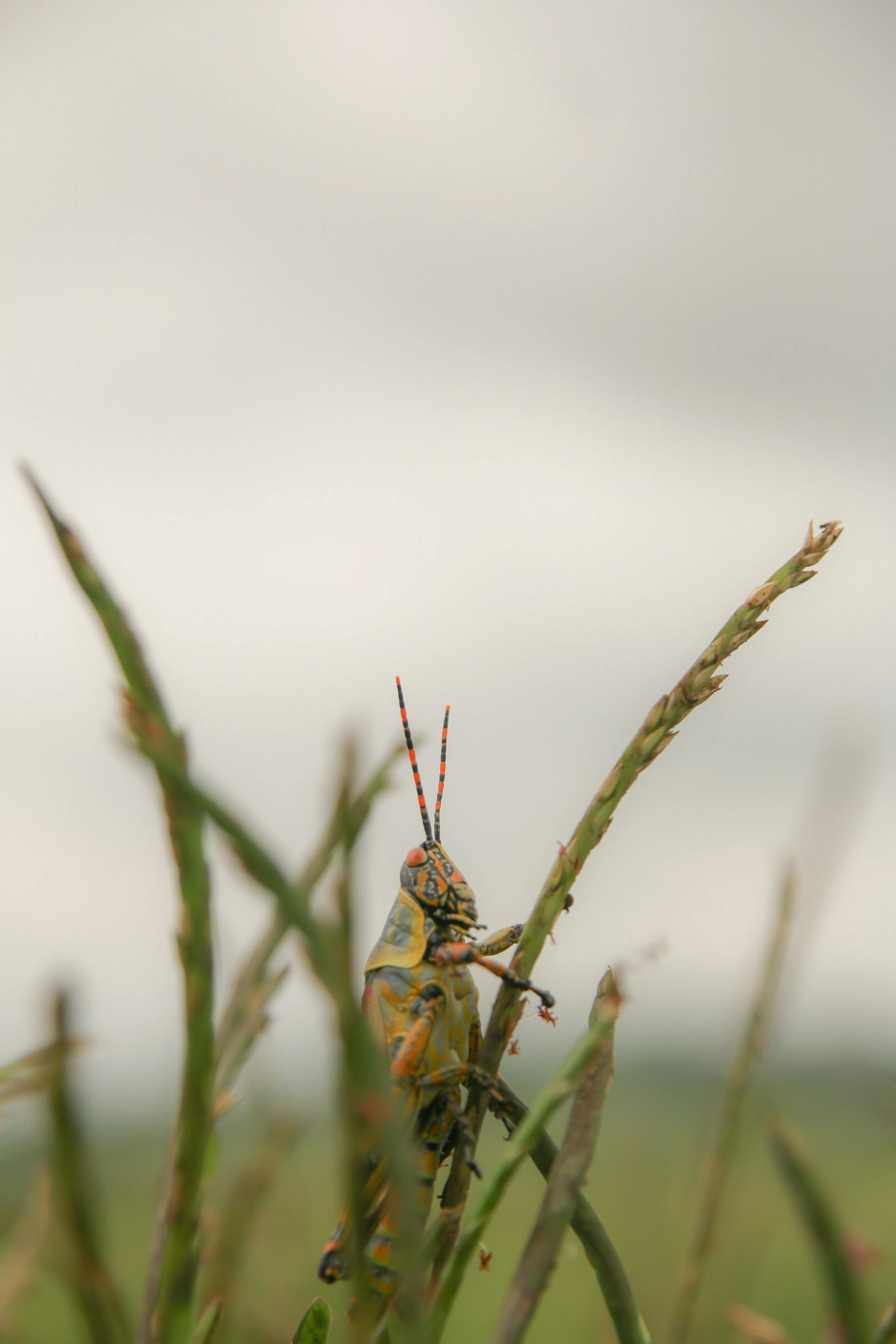
Exodus 10:12–15 (NASB95)
12Then the LORD said to Moses, “Stretch out your hand over the land of Egypt for the locusts, that they may come up on the land of Egypt and eat every plant of the land, even all that the hail has left.” 13So Moses stretched out his staff over the land of Egypt, and the LORD directed an east wind on the land all that day and all that night; and when it was morning, the east wind brought the locusts. 14The locusts came up over all the land of Egypt and settled in all the territory of Egypt; they were very numerous. There had never been so many locusts, nor would there be so many again. 15For they covered the surface of the whole land, so that the land was darkened; and they ate every plant of the land and all the fruit of the trees that the hail had left. Thus nothing green was left on tree or plant of the field through all the land of Egypt.
Commentary - The Locust Plague
Pharaoh’s advisors had just pleaded with him to let Israel go. They saw what their king refused to see. Egypt was collapsing. Pharaoh, still clinging to control, offered a compromise. He would let the men go, but not the women, children, or livestock. Moses refused. Pharaoh drove him out. That moment set the stage for what came next. Pharaoh had a chance to yield. He chose pride.
God told Moses to stretch out his hand over Egypt so that locusts would swarm and devour everything left after the hail. Moses obeyed. The Lord sent an east wind that blew all day and all night. By morning, the locusts arrived. They covered the land, settling everywhere. The text says there had never been a plague like this before, and there would never be one like it again. The locusts darkened the ground. They ate every plant, every fruit, every green thing the hail had spared. When they finished, nothing green remained anywhere in Egypt. The devastation was complete.
This plague was a direct attack on the heart of Egypt’s religion. The Egyptians believed their gods protected the harvest. Osiris was the god of agriculture and the afterlife, credited with teaching people how to farm. Neper was the god of grain, tied to the cycles of planting and reaping. Renenutet was the goddess of harvest and nourishment, often shown as a cobra guarding the granaries. Min was the god of fertility and crops, honored at the start of every harvest. The Egyptians trusted these gods to keep their fields safe. The locusts exposed their powerlessness. Not one of these deities could stop the east wind. Not one could drive away a single locust. Yahweh, the God of Israel, commanded creation, and every idol Egypt trusted stood silent. The message was clear. There is only one God who rules the earth.
The severity of the plague cannot be overstated. The language is absolute. The locusts came over all the land. They settled in every territory. There had never been so many, nor would there ever be again. They covered the ground until it was black. They ate every plant and all the fruit the hail had left. Nothing green remained. This was not just a bad season. It was total judgment. Egypt, once the breadbasket of the world, was stripped bare. The devastation was not random. It was precise. God knew what the hail had left, and He sent the locusts to finish what the hail began. The gods of Egypt were powerless. Yahweh alone was sovereign.
For the church today, the locusts are a warning and an invitation. We live surrounded by things that promise security—money, careers, health, reputation, technology. None of these are evil, but any of them can become an idol if we trust them more than God. The locusts remind us that anything built on a foundation other than God can be swept away in a single night. The east wind does not ask permission. But the same God who commands the locusts is the God who loves and cares for His people. When our own certainties are stripped away, whether by loss, illness, or disappointment, we are invited to do what Pharaoh would not. We are invited to turn to the One who holds all things. That is not weakness. That is wisdom. The God who brought Israel out of Egypt is still faithful, still present, and still more than enough for whatever our needs may be.
Blessings,
Ryan Goodnight