
The Lion of Judah Foretold
Genesis 49:8–12 (NASB95)
8“Judah, your brothers shall praise you; Your hand shall be on the neck of your enemies; Your father’s sons shall bow down to you. 9“Judah is a lion’s whelp; From the prey, my son, you have gone up. He couches, he lies down as a lion, And as a lion, who dares rouse him up? 10“The scepter shall not depart from Judah, Nor the ruler’s staff from between his feet, Until Shiloh comes, And to him shall be the obedience of the peoples. 11“He ties his foal to the vine, And his donkey’s colt to the choice vine; He washes his garments in wine, And his robes in the blood of grapes. 12“His eyes are dull from wine, And his teeth white from milk.”
Commentary – The Lion of Judah Foretold
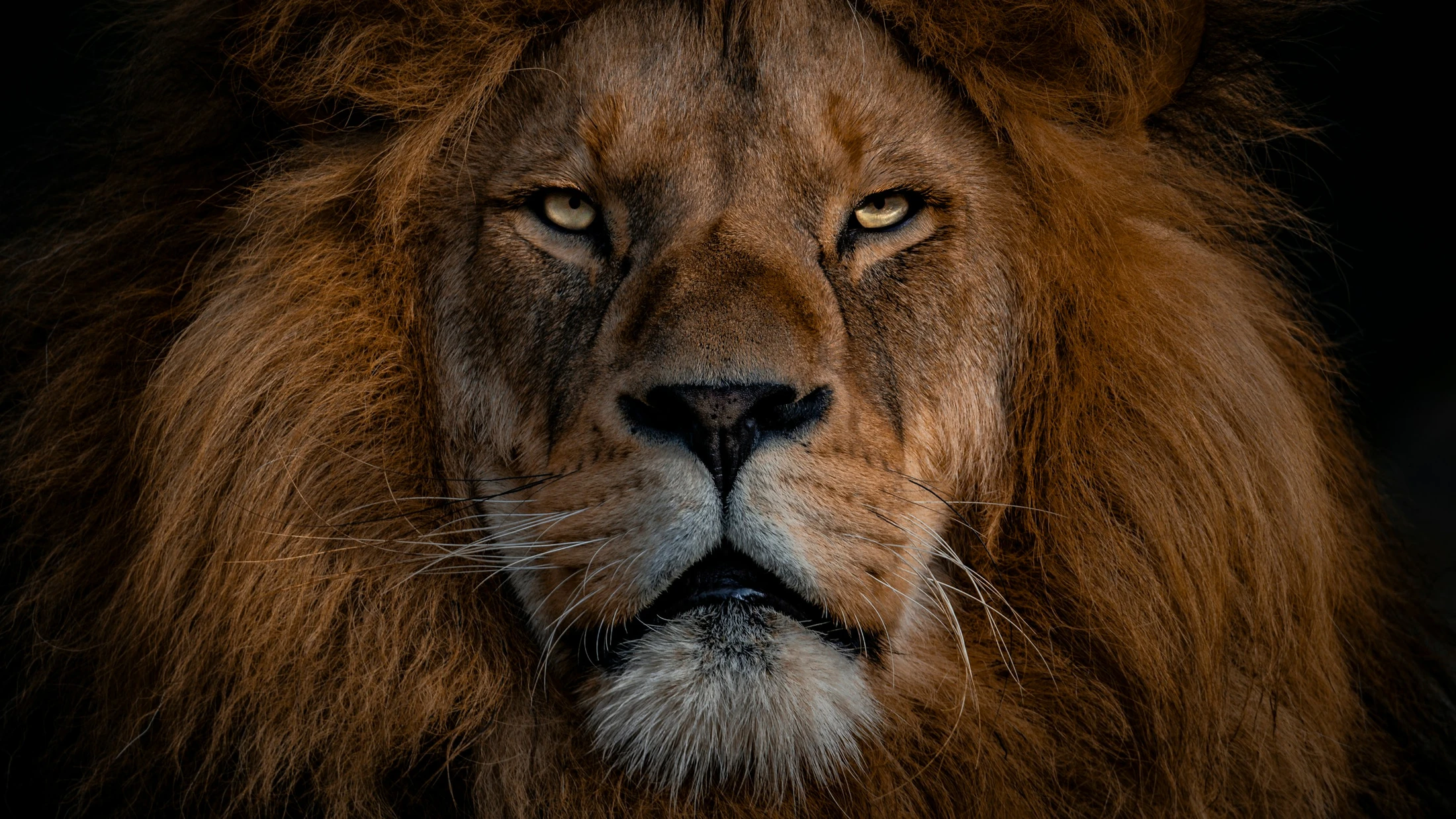
Jacob’s prophecy over Judah stands as one of the most profound and far-reaching moments in Scripture. Judah, once a flawed man marked by failure, is now elevated to a position of leadership and preeminence among his brothers. Jacob’s words begin with a play on Judah’s name, declaring that his brothers will praise him. This declaration marks a striking contrast to the earlier pronouncements over Reuben, Simeon, and Levi, which highlighted their shortcomings and disqualified them from leadership. Judah, however, is described with imagery of a lion: majestic, powerful, and kingly. His strength and dominance are affirmed as Jacob proclaims that the scepter, symbolizing kingship, will never depart from Judah’s line. This blessing establishes Judah as the tribe destined to lead, a role that would later be fulfilled in King David and ultimately in Jesus Christ, the Messiah. Once again, we directly encounter the Gospel message in Genesis.
The prophecy also points to a ruler to whom all nations will bring tribute and offer obedience. This figure is not only a foreshadowing of David’s reign but also a clear Messianic promise. The imagery of Judah tethering his donkey to a choice vine and washing his garments in wine speaks to an abundance and prosperity that will be unparalleled. This wealth and blessing culminate in a vision of a future ruler with authority over all peoples, a vision fulfilled in Jesus, the Lion of the tribe of Judah, who reigns eternally. The hyperbolic imagery of wine and milk, symbols of prosperity, reflects the overwhelming abundance found in the kingdom of God. The promises given to Judah transcend the immediate context, looking forward to the eternal reign of Christ, where He will rule with justice and grace.
Jacob’s words also remind us of the transformative power of God’s grace. Judah was not without fault. His past includes betrayal, selfishness, and sin. Yet through repentance and growth, he became the leader his family needed. This transformation underscores God’s ability to redeem even the most broken among us and use them for His purposes. Judah’s leadership and the promise of the Messiah from his line are testaments to God’s faithfulness and sovereignty.
The church today can take comfort and direction from this prophecy. Just as Jacob looked forward to the coming of a ruler who would bring peace and prosperity, we live in the reality of that fulfillment in Jesus Christ. He is the King who invites us to share in the abundance of His kingdom. Furthermore, Judah’s story reminds us that no past failure disqualifies us from being used by God. As individuals and as a church, we are called to reflect the lion-like courage and leadership of Judah, always pointing others to the ultimate King, Jesus, who rules with righteousness and love. Let us live in the hope and joy of His eternal reign.
Blessings,
Ryan Goodnight