
Relief Is Not Repentance
Exodus 10:16–20 (NASB95)
16Then Pharaoh hurriedly called for Moses and Aaron, and he said, “I have sinned against the LORD your God and against you. 17“Now therefore, please forgive my sin only this once, and make supplication to the LORD your God, that He would only remove this death from me.” 18He went out from Pharaoh and made supplication to the LORD. 19So the LORD shifted the wind to a very strong west wind which took up the locusts and drove them into the Red Sea; not one locust was left in all the territory of Egypt. 20But the LORD hardened Pharaoh’s heart, and he did not let the sons of Israel go.
Commentary - Relief Is Not Repentance
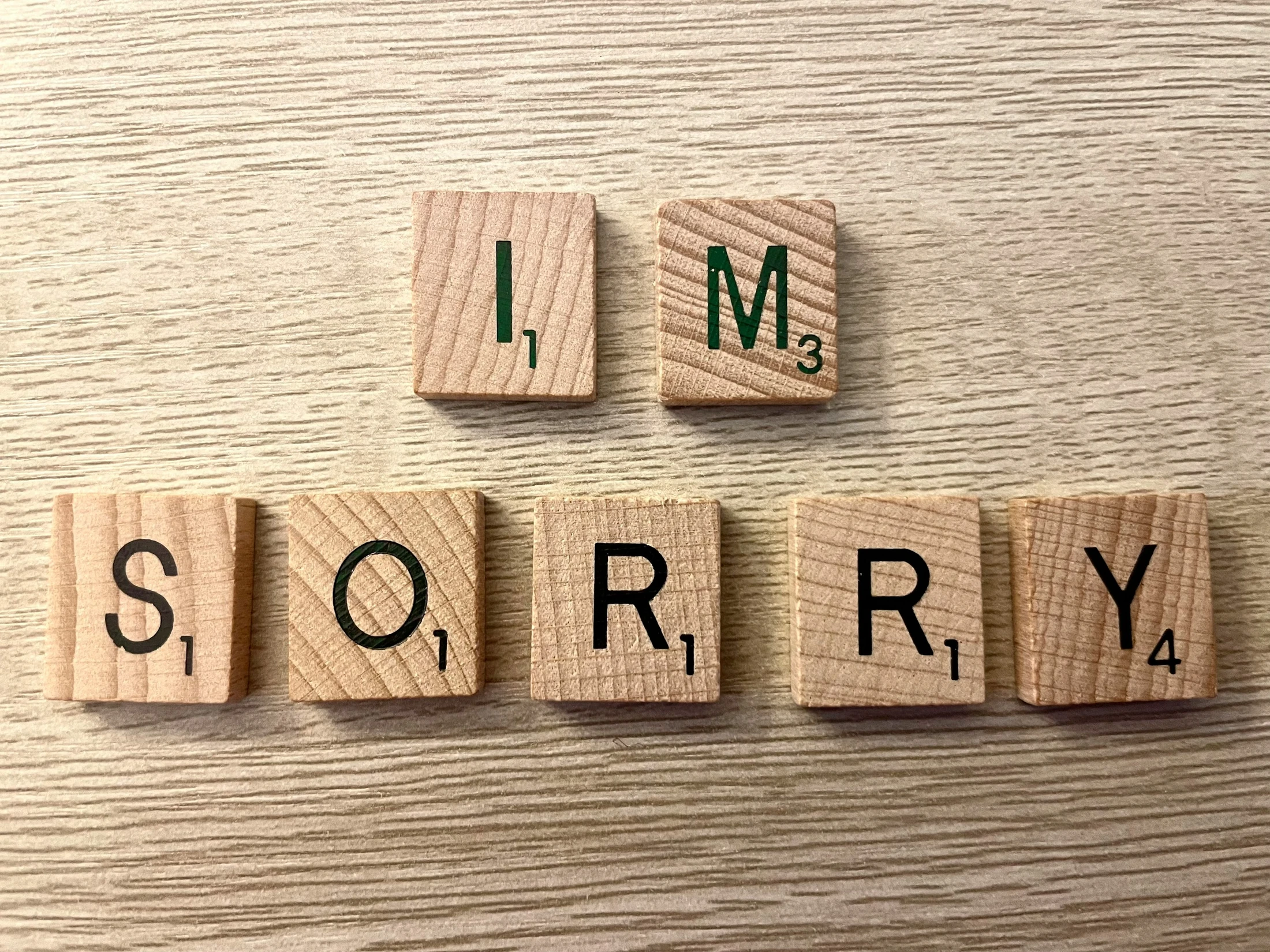
Egypt lay in ruins after the locusts swept through. Pharaoh hurriedly called for Moses and Aaron and said, “I have sinned against the LORD your God and against you.” He pleaded, “Now therefore, please forgive my sin only this once, and make supplication to the LORD your God, that He would only remove this death from me.” Moses went out from Pharaoh and made supplication to the LORD. The LORD shifted the wind to a very strong west wind, which took up the locusts and drove them into the Red Sea. Not one locust was left in all the territory of Egypt. But the LORD hardened Pharaoh’s heart, and he did not let the sons of Israel go. Pharaoh’s confession sounded like repentance, but it was not. His request was clear: “Remove this death from me.” He wanted relief, not a new heart. Pharaoh’s worldview as a polytheist shaped his response. He could admit wrongdoing before Moses’s God without believing he had done anything truly wrong in a universal sense. He thought in terms of power, not sin. His plea was a strategy to escape the consequences, not a sincere turning to God. The Hebrew word shuv means to turn or return. True repentance involves both heartfelt sorrow and a decisive turning from sin. Pharaoh had neither. He showed only situational regret, nacham, driven by a desire to escape the plague. Every time the pressure lifted, Pharaoh returned to his old ways. His words were empty because his heart never changed.
Moses still interceded for Pharaoh. He went out and prayed to the LORD, even knowing Pharaoh’s heart was unchanged. God answered. The LORD sent a powerful west wind that swept the locusts into the Red Sea, leaving not a single locust in Egypt. This act foreshadowed the coming destruction of Pharaoh’s army in the same sea. The locusts that Yahweh sent were driven away by Yahweh’s wind into the very waters that would later swallow Egypt’s might. The parallel is deliberate and rich with meaning.
The difference between seeking relief and seeking true repentance is as important now as it was then. Pharaoh’s pattern is not unique to ancient Egypt. It appears whenever someone treats God as a problem-solver rather than as Lord. People cry out for God to remove the locusts from their lives the financial pressure, the broken relationship, the health crisis and the moment relief comes, they return to the same choices that caused the problem. True repentance is not measured by what someone says in desperation. It is measured by what they do after the pressure lifts. Shuv means to turn and keep walking in a new direction. When someone seeks God only to escape discomfort, they are standing in Pharaoh’s position, asking God to remove the death without surrendering the heart. The call of the gospel is not just relief. It is transformation. God is always ready to answer the cry for help, just as He answered Moses’s prayer and drove the locusts away. But His deepest desire is not just for the plague to end. It is for the heart to change.
Blessings,
Ryan Goodnight