
Midnight Deliverance
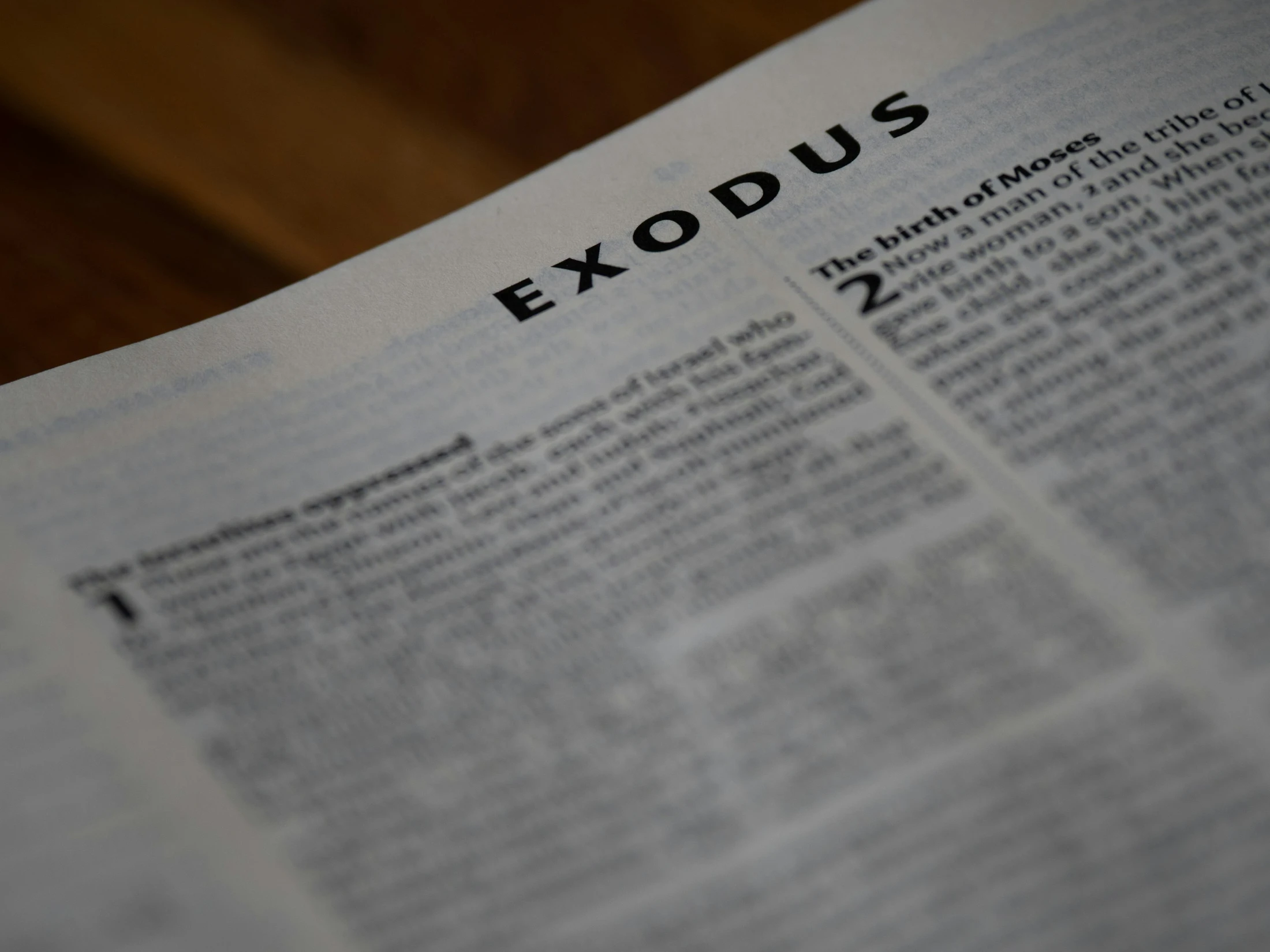
Exodus 12:29–32 (NASB95)
29Now it came about at midnight that the LORD struck all the firstborn in the land of Egypt, from the firstborn of Pharaoh who sat on his throne to the firstborn of the captive who was in the dungeon, and all the firstborn of cattle. 30Pharaoh arose in the night, he and all his servants and all the Egyptians, and there was a great cry in Egypt, for there was no home where there was not someone dead. 31Then he called for Moses and Aaron at night and said, “Rise up, get out from among my people, both you and the sons of Israel; and go, worship the LORD, as you have said. 32“Take both your flocks and your herds, as you have said, and go, and bless me also.”
Commentary - Midnight Deliverance
At midnight, the LORD struck down all the firstborn in Egypt, from Pharaoh’s palace to the lowest dungeon, and even among the livestock. The entire land was shaken awake by a great cry. There was not a single Egyptian home untouched by loss. Pharaoh, who had once claimed divine status and absolute power, now found himself powerless. In the darkness, he summoned Moses and Aaron, not to negotiate, but to plead. He told them to take the Israelites, their flocks, and herds, and to go worship the LORD as they had asked. Then, in a moment of humility, Pharaoh asked Moses to bless him.
This event was the final fulfillment of all God’s warnings to Pharaoh. Each plague had been a chance for Pharaoh to listen, to turn, and to let God’s people go. Instead, Pharaoh’s heart grew heavier with each refusal. The death of the firstborn was not a random act. It was a direct reversal of Israel’s suffering. Years earlier, Pharaoh had ordered the death of Hebrew sons. Now, Egypt’s own future was cut off. The gods of Egypt, who were supposed to protect life and fertility, were silent. The LORD alone showed Himself as the true God, keeping His word and exposing every counterfeit.
The nighttime setting is important. Pharaoh, who once summoned Moses on his own terms, now calls for him in desperation. The power dynamic has shifted. The oppressor is now the one begging for relief. When Pharaoh asks Moses to bless him, it is a striking admission. The man who had mocked the God of Israel now seeks favor from Him. This is not true repentance, but it is a recognition that only the LORD can give what Egypt needs. The request for blessing also points forward to the biblical call to pray for those who persecute us, and to the hope that even the hardest heart will be changed by God’s grace.
A key theme in these verses is the distinction between God’s people and Egypt. Not a single Israelite was harmed. The blood of the Passover lamb marked their homes, and God’s judgment passed over them. This separation was not about ethnicity or merit. It was about obedience and trust in God’s promise. The Israelites were delivered because they believed God and acted on His word. This moment became the foundation for the Passover celebration, a lasting reminder that God saves those who trust Him. This brings up an interesting question. What is the difference between belief and faith? This will be the focus of our Sunday sermon.
The New Testament draws a direct line from the Passover to Jesus Christ. Paul calls Jesus our Passover Lamb. Just as the Israelites were saved by the blood of a spotless lamb, we are saved by the sacrifice of Christ, the sinless Lamb of God. The Lord’s Supper, which we celebrate as a church, is rooted in this story. We remember that Christ’s blood delivers us from sin and death, and that His resurrection brings us into new life. The deliverance from Egypt is a picture of the greater deliverance found in Jesus.
From a Wesleyan perspective, these verses show both God’s justice and His mercy. God gave Pharaoh every opportunity to repent. The judgment came only after repeated warnings and refusals. Pharaoh’s fate was not sealed by divine coercion, but by his own choices. God’s justice is always consistent with His word, and His mercy is always available to those who turn to Him. The story calls us to trust God’s promises, to obey His commands, and to remember that deliverance comes through faith expressed in action.
For the church today, this story is a reminder that God keeps His word. He is both just and merciful. He calls us to live as people marked by faith, obedience, and hope. The world may offer many counterfeit gods, but only the LORD delivers. When we remember what God has done, we find courage to trust Him in every circumstance. Our faith is not just for our own benefit. It is a witness to the world that God is real, that He saves, and that He alone is worthy.
Blessings,
Ryan Goodnight