
Jacob’s Legacy and the Promise of the Land
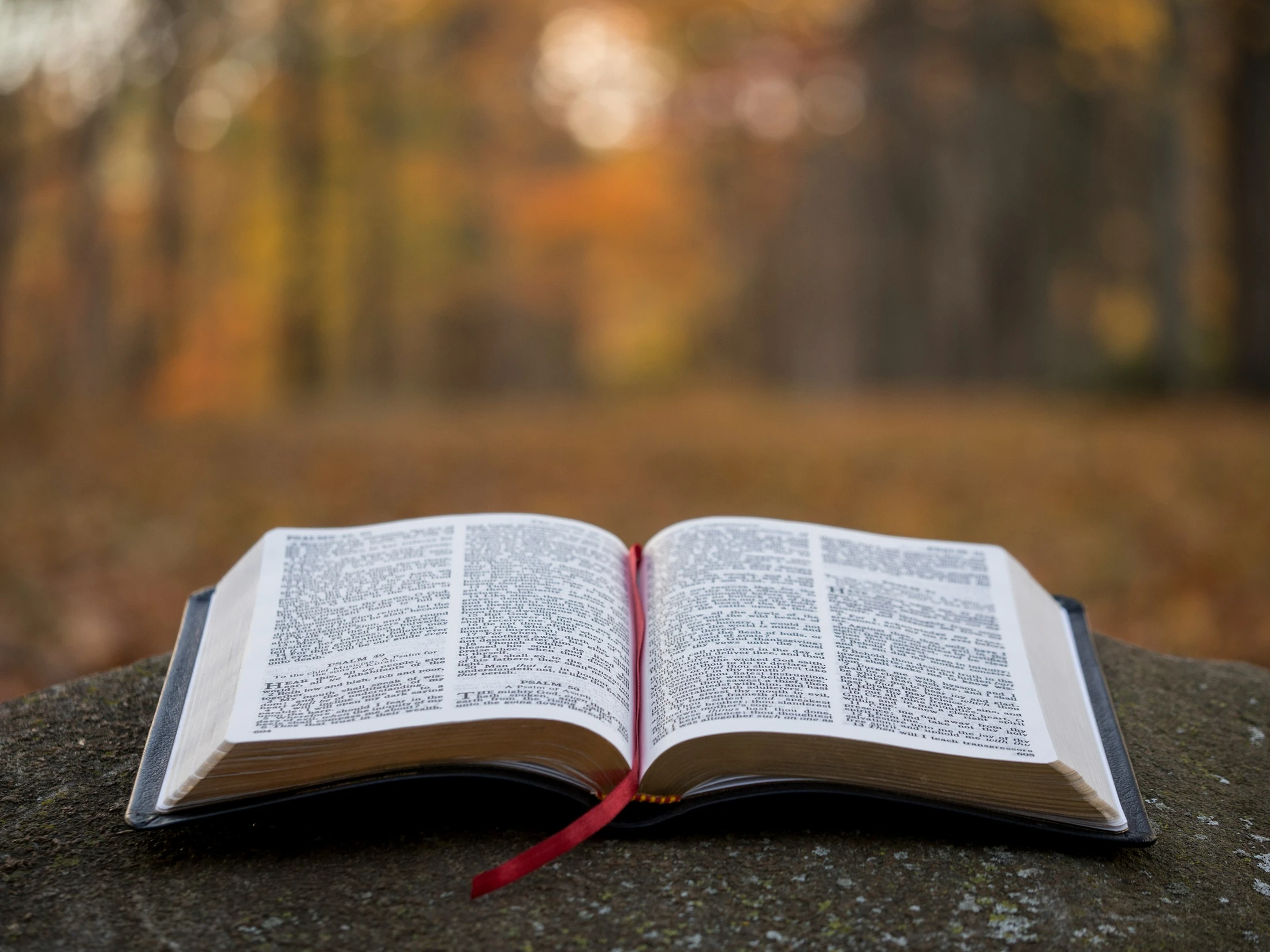
Genesis 47:27–31 (NASB95)
27Now Israel lived in the land of Egypt, in Goshen, and they acquired property in it and were fruitful and became very numerous. 28Jacob lived in the land of Egypt seventeen years; so the length of Jacob’s life was one hundred and forty-seven years. 29When the time for Israel to die drew near, he called his son Joseph and said to him, “Please, if I have found favor in your sight, place now your hand under my thigh and deal with me in kindness and faithfulness. Please do not bury me in Egypt, 30but when I lie down with my fathers, you shall carry me out of Egypt and bury me in their burial place.” And he said, “I will do as you have said.” 31He said, “Swear to me.” So he swore to him. Then Israel bowed in worship at the head of the bed.
Commentary – Jacob’s Legacy and the Promise of the Land
The final years of Jacob’s life provide a poignant example of faith in God’s promises, even as Jacob approaches death in a foreign land. Having lived for 17 years in Egypt under Joseph’s care, Jacob recognizes that his time is near. Despite the blessings his family has enjoyed in Egypt, Jacob’s heart remains tied to the promise of Canaan. He calls Joseph to his side and makes him swear an oath to bury him in the ancestral tomb at Machpelah, in the land of promise. This request is not merely about burial; it is a declaration of faith. Jacob knows that Egypt, though it has provided temporary refuge, is not the ultimate home for God’s people. His burial in Canaan symbolizes his belief in the covenant promises passed down through Abraham and Isaac.
Jacob’s insistence on being buried in Canaan also reflects his understanding of God’s faithfulness. Egypt was a temporary provision, like Noah’s ark—sheltering God’s people from external disaster. Yet, Jacob’s request points forward to a future Exodus, when God will lead His descendants back to the promised land. The act of placing Joseph’s hand under Jacob’s thigh to swear the oath underscores the sacred nature of this promise. Jacob’s final act of bowing in worship reflects his gratitude and trust in God’s sovereignty, even as his life comes to an end.
Jacob’s story challenges the church to hold fast to God’s promises, even in the midst of temporary comforts or hardships. As believers, we are reminded that this world is not our ultimate home. Just as Jacob looked forward to the fulfillment of God’s covenant in Canaan, we are called to live with an eternal perspective, trusting in the inheritance promised through Christ. Jacob’s final act of faith, ensuring his burial in the land of promise, encourages us to anchor our hope in God’s plan, even when we cannot see its full realization. The church must live as a people set apart, trusting in God’s faithfulness and pointing others toward the ultimate fulfillment of His promises in Christ.
Blessings,
Ryan Goodnight