
Half Measures and Hard Hearts
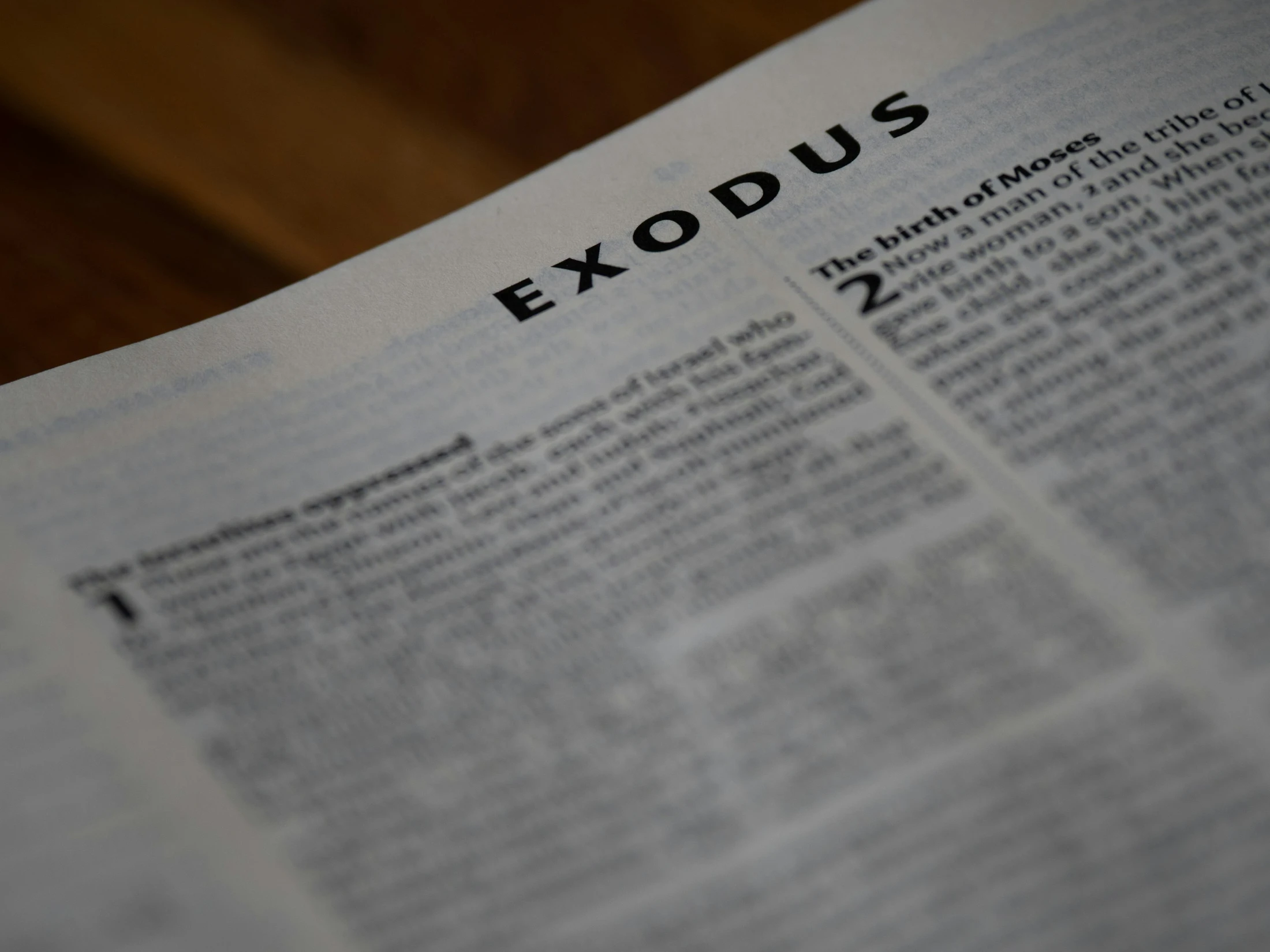
Exodus 8:25–28 (NASB95)
25Pharaoh called for Moses and Aaron and said, “Go, sacrifice to your God within the land.” 26But Moses said, “It is not right to do so, for we will sacrifice to the LORD our God what is an abomination to the Egyptians. If we sacrifice what is an abomination to the Egyptians before their eyes, will they not then stone us? 27“We must go a three days’ journey into the wilderness and sacrifice to the LORD our God as He commands us.” 28Pharaoh said, “I will let you go, that you may sacrifice to the LORD your God in the wilderness; only you shall not go very far away. Make supplication for me.”
Commentary - Half Measures and Hard Hearts
Pharaoh was a man who understood negotiation. He had watched four plagues tear through Egypt, and he had seen his own magicians admit defeat. The gnats, the frogs, the blood, and now the swarms of flies had brought Egypt to its knees. So Pharaoh did what powerful people often do when they cannot win outright. He offered a compromise. He told Moses and Aaron that the Israelites could go ahead and sacrifice to their God, but they had to do it within the land of Egypt. It sounded like a concession, but it likely was a trap.
Moses refused, and his reason was not stubbornness or ingratitude. It was practical and theologically sound. The animals the Israelites would sacrifice to Yahweh, cattle, sheep, and goats, were sacred in Egypt. The Apis bull was worshipped as a living god, the earthly manifestation of Ptah, the creator deity. Hathor, one of Egypt's most beloved goddesses, was depicted as a cow. Khnum, the god believed to have fashioned humanity on his potter's wheel, was ram-headed. To slaughter these animals in public, in the middle of Egypt, would have been an act of profound religious offense. Moses was not exaggerating when he said the Egyptians would stone them. He was describing a real and predictable reaction. Sacrificing a bull or a ram in front of Egyptians who considered those animals divine would have been the equivalent of desecrating their most sacred temples. The Israelites would not have made it out of the city. It doesn’t seem reasonable to believe that Pharaoh did not realize what would happen if the Israelites stayed and did this in Egypt.
But there is something deeper going on here than just cultural sensitivity. Moses was not looking for a way to make the worship of Yahweh more palatable to Egypt. He was insisting that Israel worship God on God's terms, not on Pharaoh's. God had given specific instructions: a three-day journey into the wilderness, away from Egypt, away from its gods, away from its influence. Worship that is shaped by the surrounding culture to avoid offense is not the same as worship that is shaped by God's command. Moses understood that. He held the line.
Isn’t this exactly what a non-believing world attempts to do to Christians? To prescribe how our worship should take place? Hold the line, friends, just as Moses did.
Pharaoh responded with another compromise. He said he would let them go into the wilderness, but they could not go very far. He also asked Moses to pray for him. That last request is worth noticing. Pharaoh wanted the relief that came from Moses' intercession, but he was not willing to fully release the people. He wanted the benefits of Yahweh's favor without the cost of genuine obedience. He wanted the frogs gone, the flies gone, the plagues stopped, but he wanted to keep Israel close enough to maintain control. This is the pattern we have seen throughout the plagues. Pharaoh responds to pressure, makes promises, and then retreats the moment the pressure lifts. He was not seeking God. He was seeking relief.
This narrative speaks directly to the temptation of compromise. We live in a culture that constantly offers us versions of faith that are more comfortable, more acceptable, and less costly. Worship God, sure, but do it in a way that does not offend anyone. Follow Jesus, absolutely, but do not let it affect your career, your relationships, or your lifestyle too much. Do not go very far. Stay close to Egypt. I have watched people negotiate with God the same way Pharaoh did, willing to make small concessions but unwilling to fully surrender. The problem is that God does not call us to a three-inch journey. He calls us to a three-day journey, out of Egypt entirely, into a place where He alone is Lord. Moses refused to let Pharaoh define the terms of Israel's worship, and we need the same clarity. God's call on our lives is not subject to cultural negotiation. He sets the terms. Our job is to trust them and obey them, even when the world around us finds them offensive or inconvenient.
In His Service,
Ryan Goodnight