
Choices Matter
Exodus 9:18–21 (NASB95)
18“Behold, about this time tomorrow, I will send a very heavy hail, such as has not been seen in Egypt from the day it was founded until now. 19“Now therefore send, bring your livestock and whatever you have in the field to safety. Every man and beast that is found in the field and is not brought home, when the hail comes down on them, will die.” ’ ” 20The one among the servants of Pharaoh who feared the word of the LORD made his servants and his livestock flee into the houses; 21but he who paid no regard to the word of the LORD left his servants and his livestock in the field.
Commentary - Choices Matter
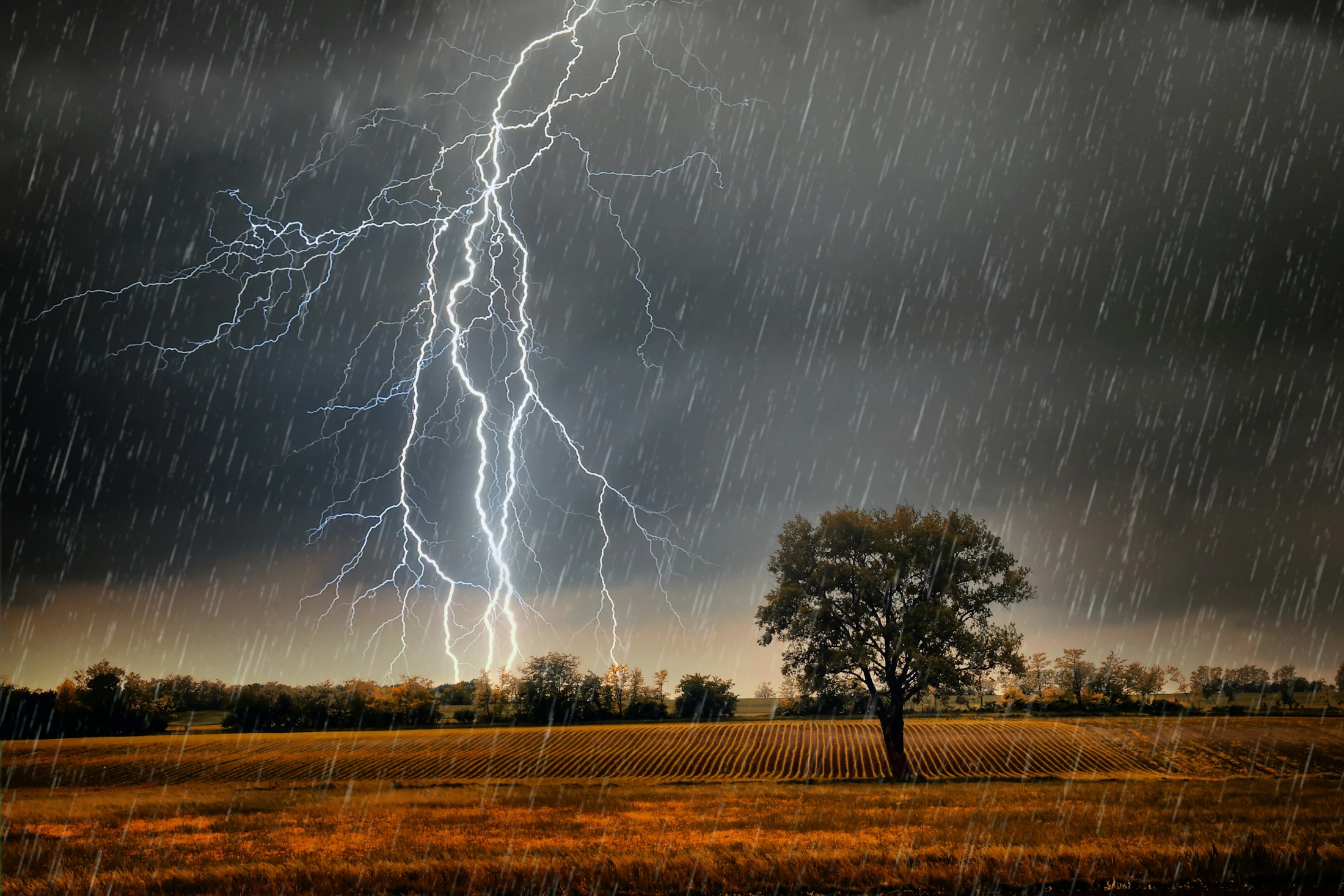
The hailstorm that God sent on Egypt was not just a freak weather event. It was a direct challenge to the heart of Egypt’s religion. The Egyptians worshipped Nut as the sky goddess, believing she protected the earth from chaos above. Shu was the god of air, holding up the sky and keeping the world in balance. Set was the god of storms and disorder, supposedly able to control violent weather. When God announced that He would send a hailstorm unlike anything Egypt had ever seen, He was making a statement. Nut could not shield the land. Shu could not hold back the destruction. Set could not tame the storm. The gods Egypt trusted were silent and powerless. Only Yahweh could command the sky and the storm.
What stands out in these verses is how God’s justice and mercy work together. God did not send the hail without warning. He told Pharaoh and his people exactly what was coming and gave clear instructions on how to be safe. “Bring your livestock and whatever you have in the field to safety. Every man and beast that is found in the field and is not brought home, when the hail comes down on them, will die.” God’s judgment was real, but so was His mercy. Anyone who listened and acted on the warning, Egyptian or Israelite, could avoid disaster. God was not looking to destroy for the sake of destruction. He was giving everyone a chance to respond, to take Him seriously, and to be spared.
There is a sharp distinction in these verses. Some of Pharaoh’s officials feared the word of the Lord. They hurried to bring their servants and animals inside. They were spared. Others paid no regard to what God had said. They left their people and livestock in the fields, and they suffered loss. The difference was not ethnicity or background. It was whether they took God’s word seriously. The text does not say these Egyptians became believers in Yahweh. It says they feared His word enough to act. That was enough to save lives. God’s mercy reached beyond Israel to anyone willing to listen.
Verse 21 is a sobering reminder. Those who ignored the warning were not just risking their own comfort. They were responsible for the harm that came to their servants and animals. Their disregard for God’s word had real consequences for others. It is easy to think that ignoring God is a private matter, but the story says otherwise. When leaders or heads of households refuse to listen, it is often the vulnerable who pay the price. The servants and livestock left in the fields did not choose to be there. They suffered because someone else did not take God seriously. That is a hard truth, but it is one the text will not let us avoid.
This passage challenges how we respond to God’s warnings and calls. God still gives clear guidance and opportunities to avoid harm, but the choice to listen and act is ours. It reminds us that reverence for God’s word is not abstract. It produces tangible protection and blessing. When people disregard God’s instructions, their choices ripple out, affecting the vulnerable around them. This calls for serious reflection on how attentively we heed God’s voice, both personally and as a community, and on how we care for those who depend on our wisdom and leadership. This should also affect how we choose those we put into positions of leadership, at any level. If we choose leaders who do not give regard to the Lord, the disregard of such leaders will have a predictable and negative effect upon our communities and families.
In His Service,
Ryan Goodnight